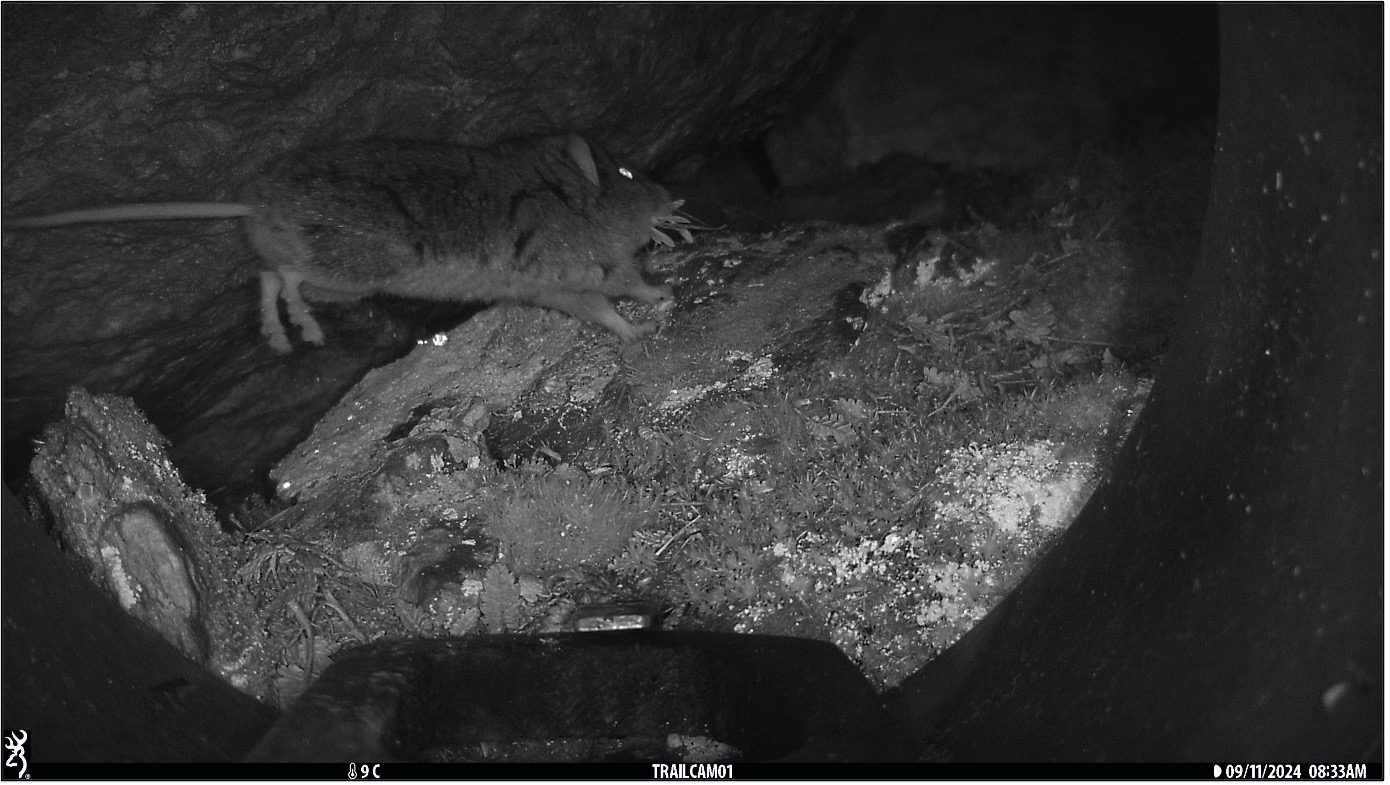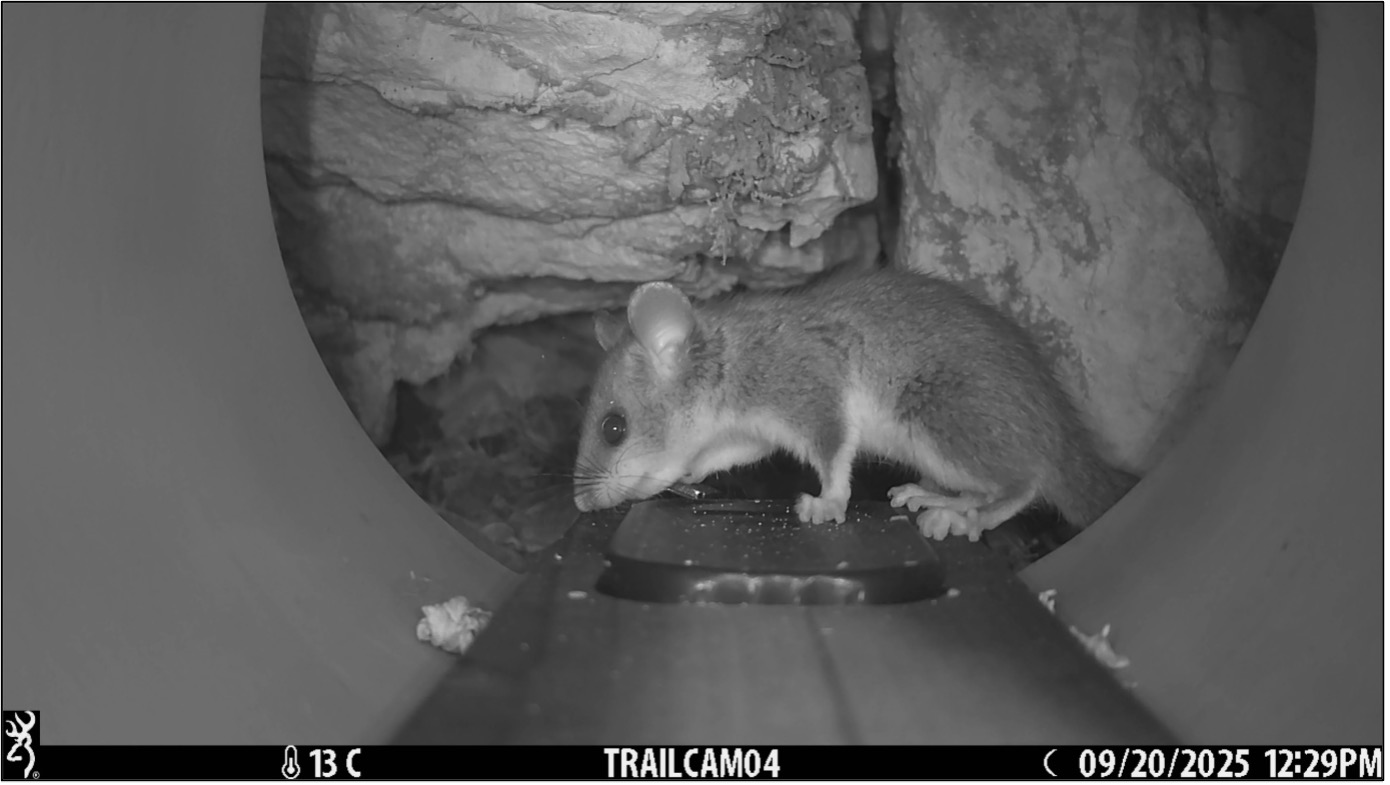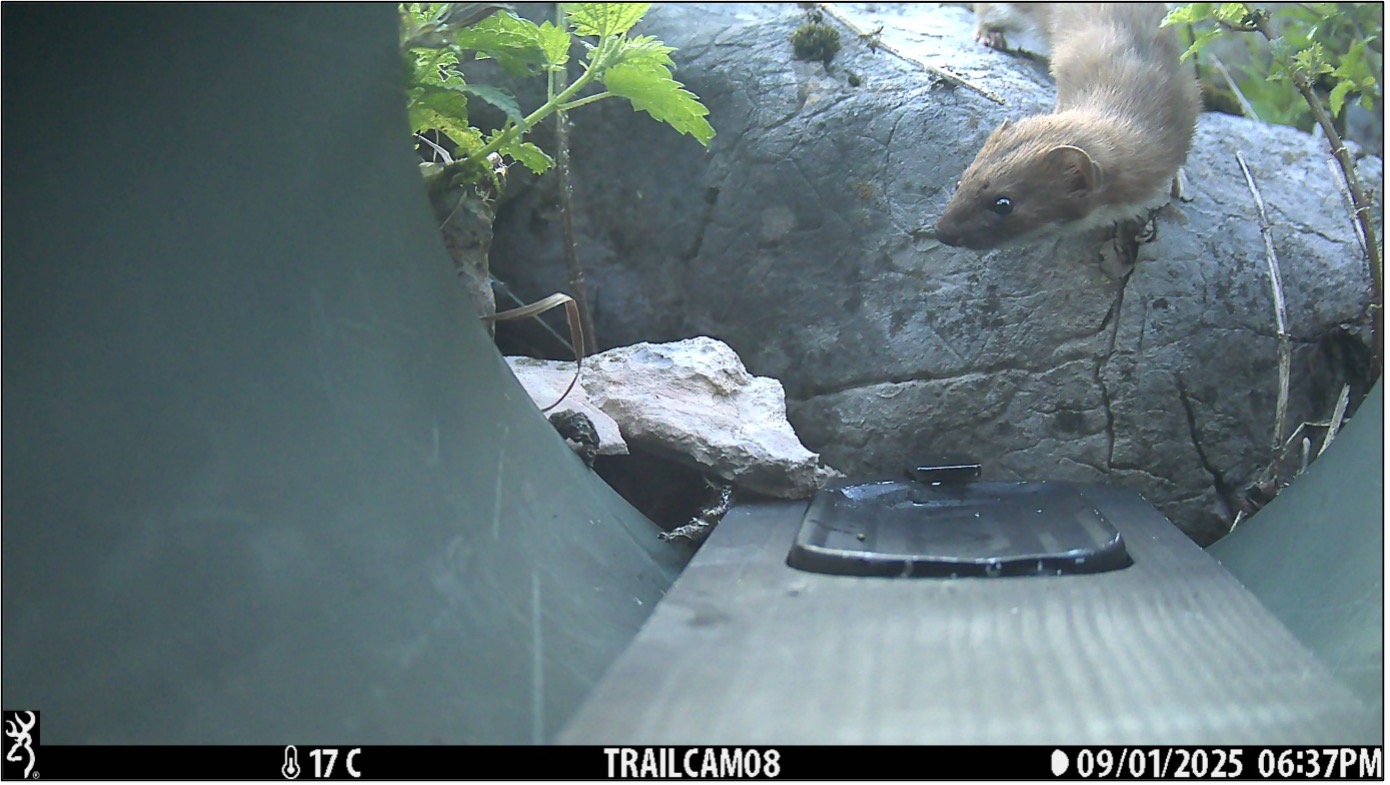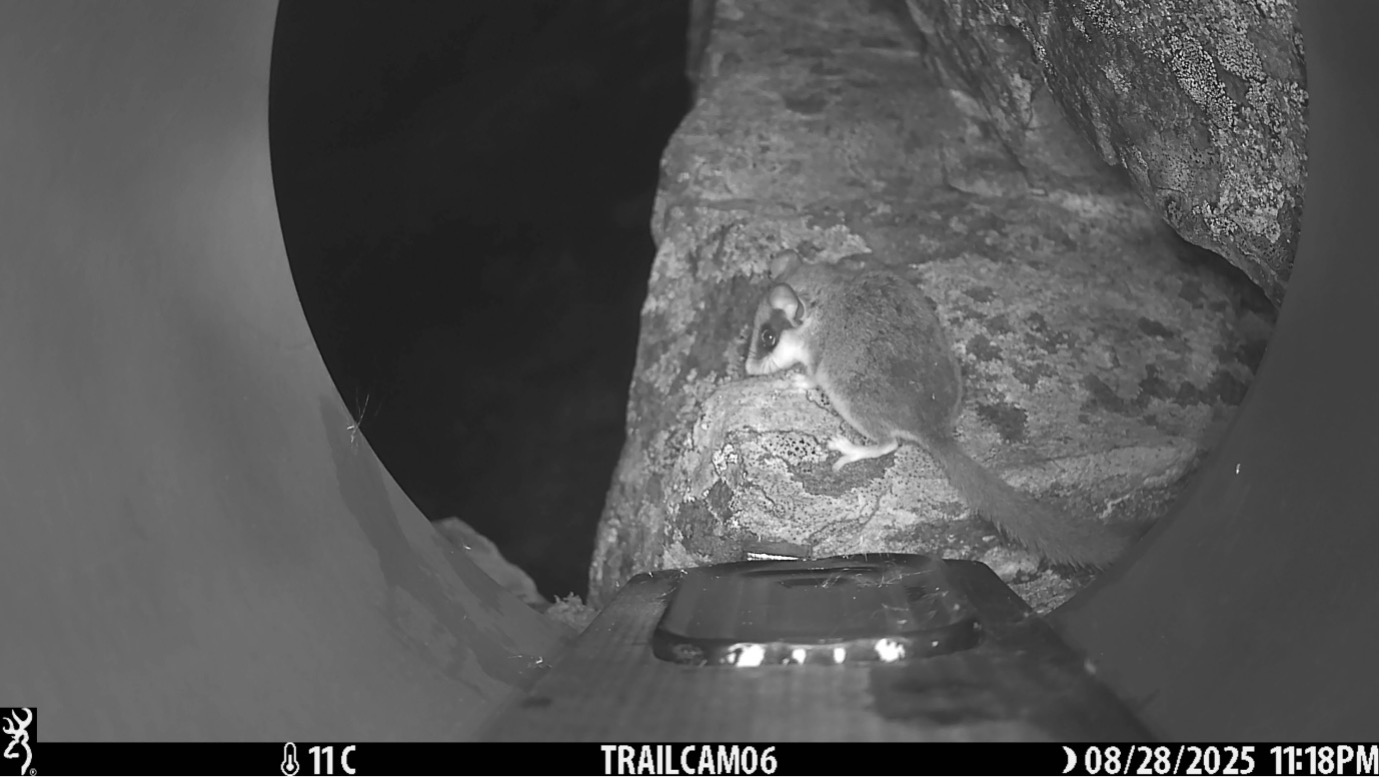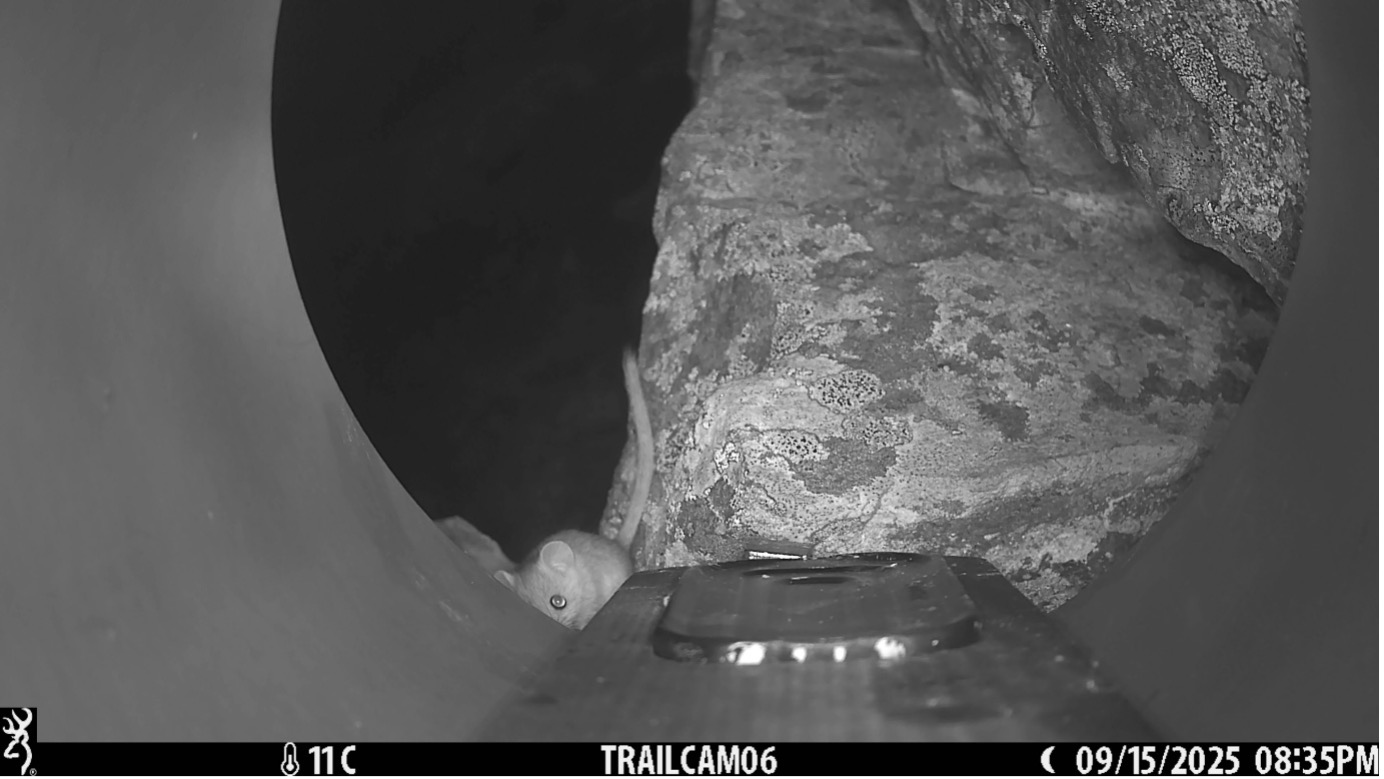
Cameras to capture small mammals in Montenegro
February 15, 2026
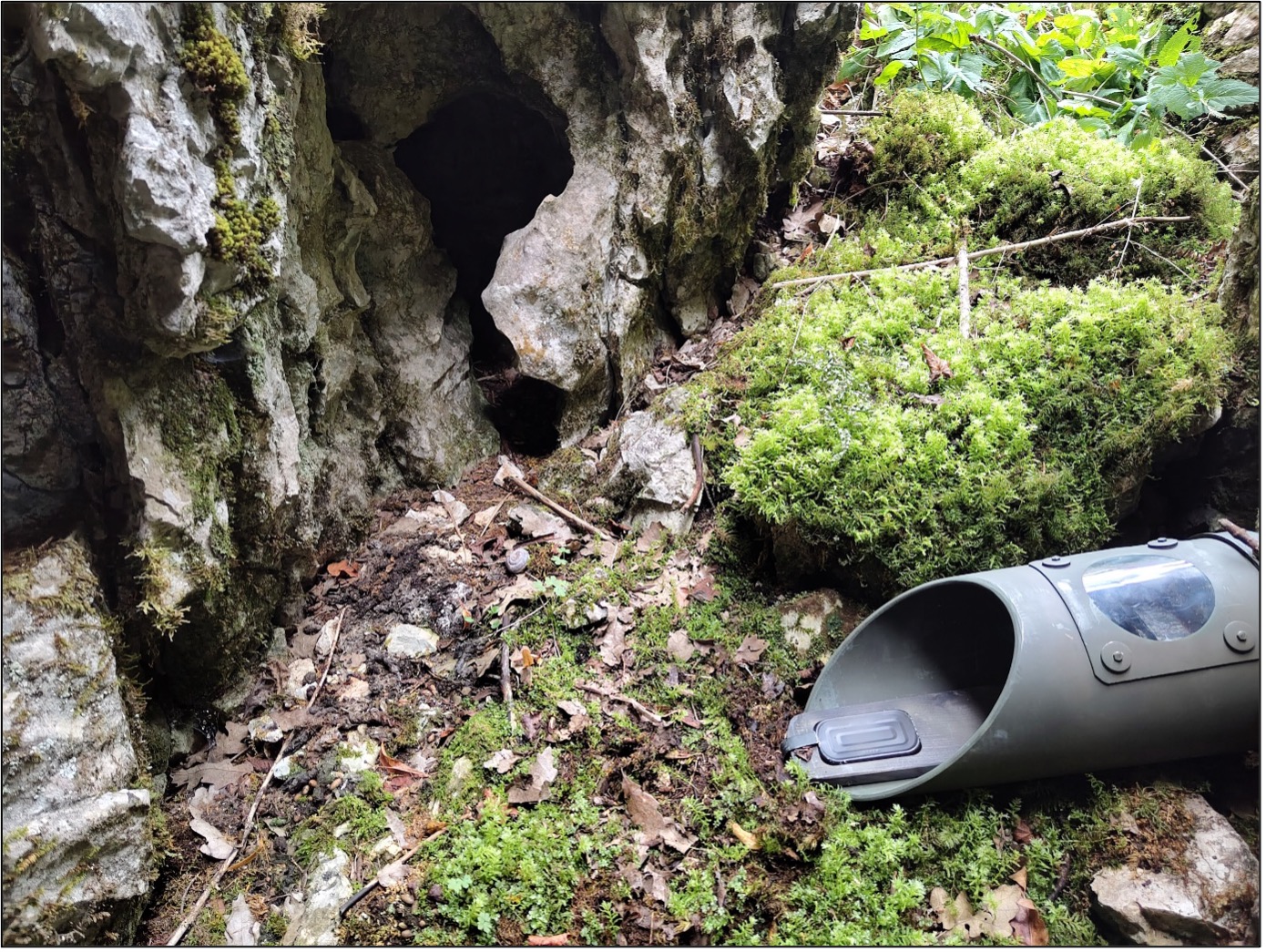
Between the 14th of August and the 2nd of September 2025, Jeffrey Peereboom travelled with 10 Struikrovers®, also known as Bushbandits®, to Montenegro. Bushbandits® are wildlife cameras placed in a plastic tube and equipped with a special lens for close-range photography.
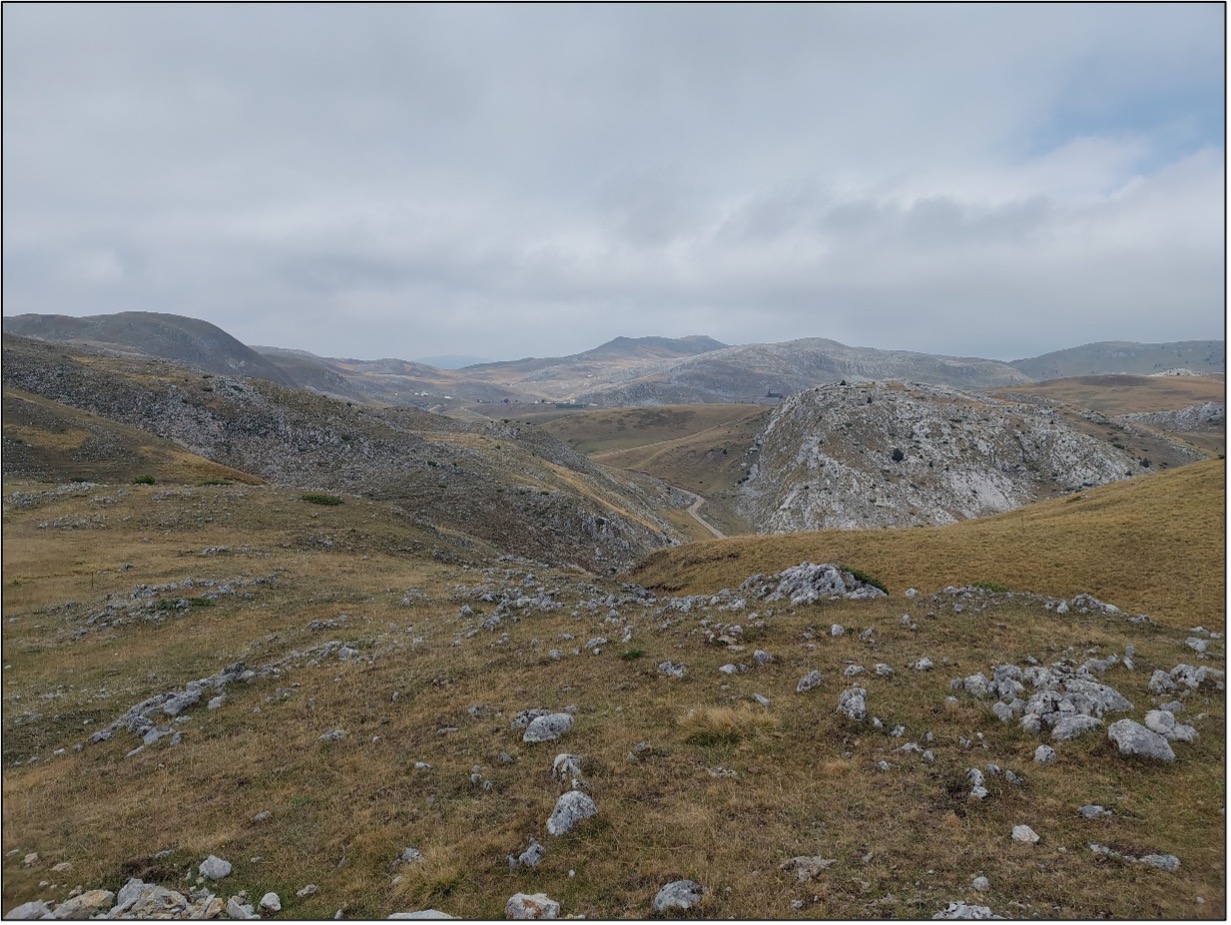
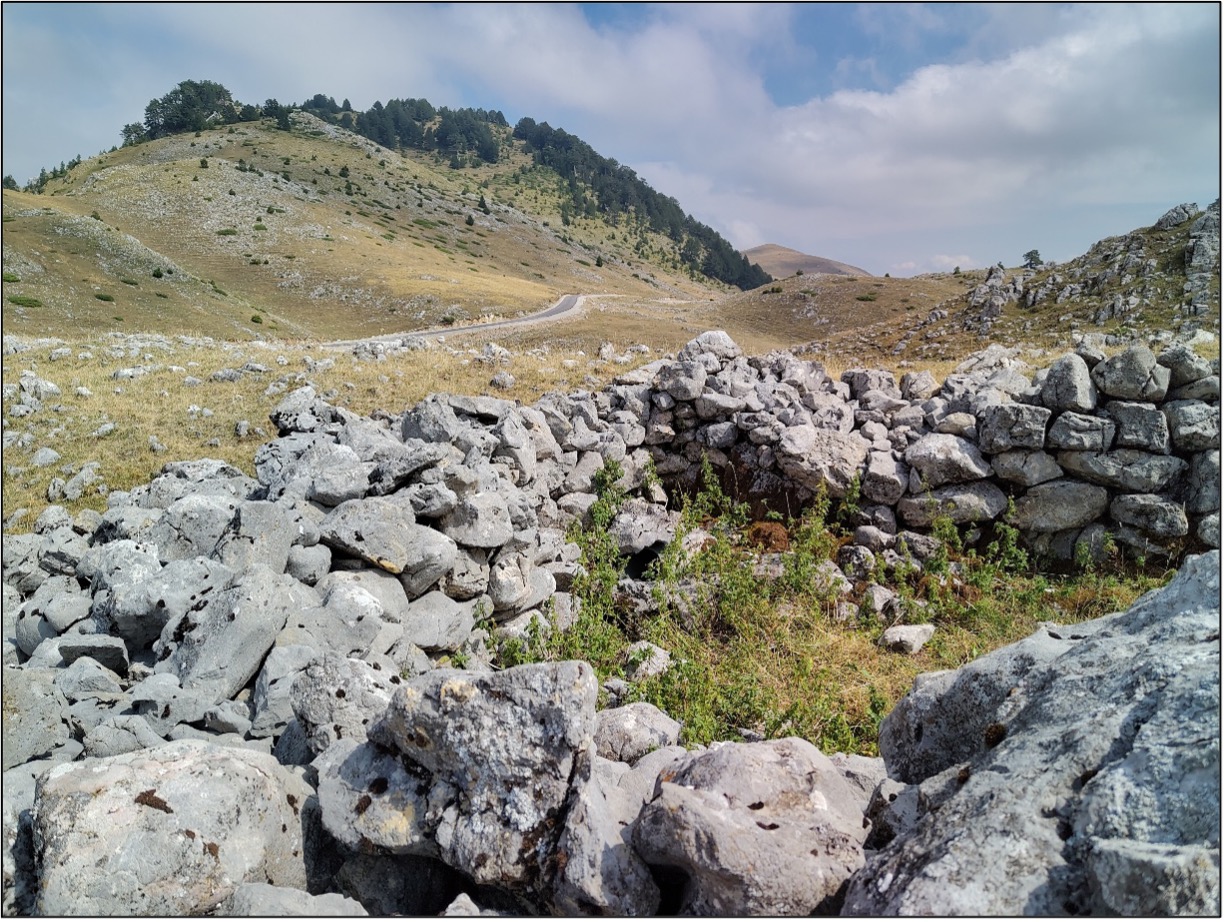
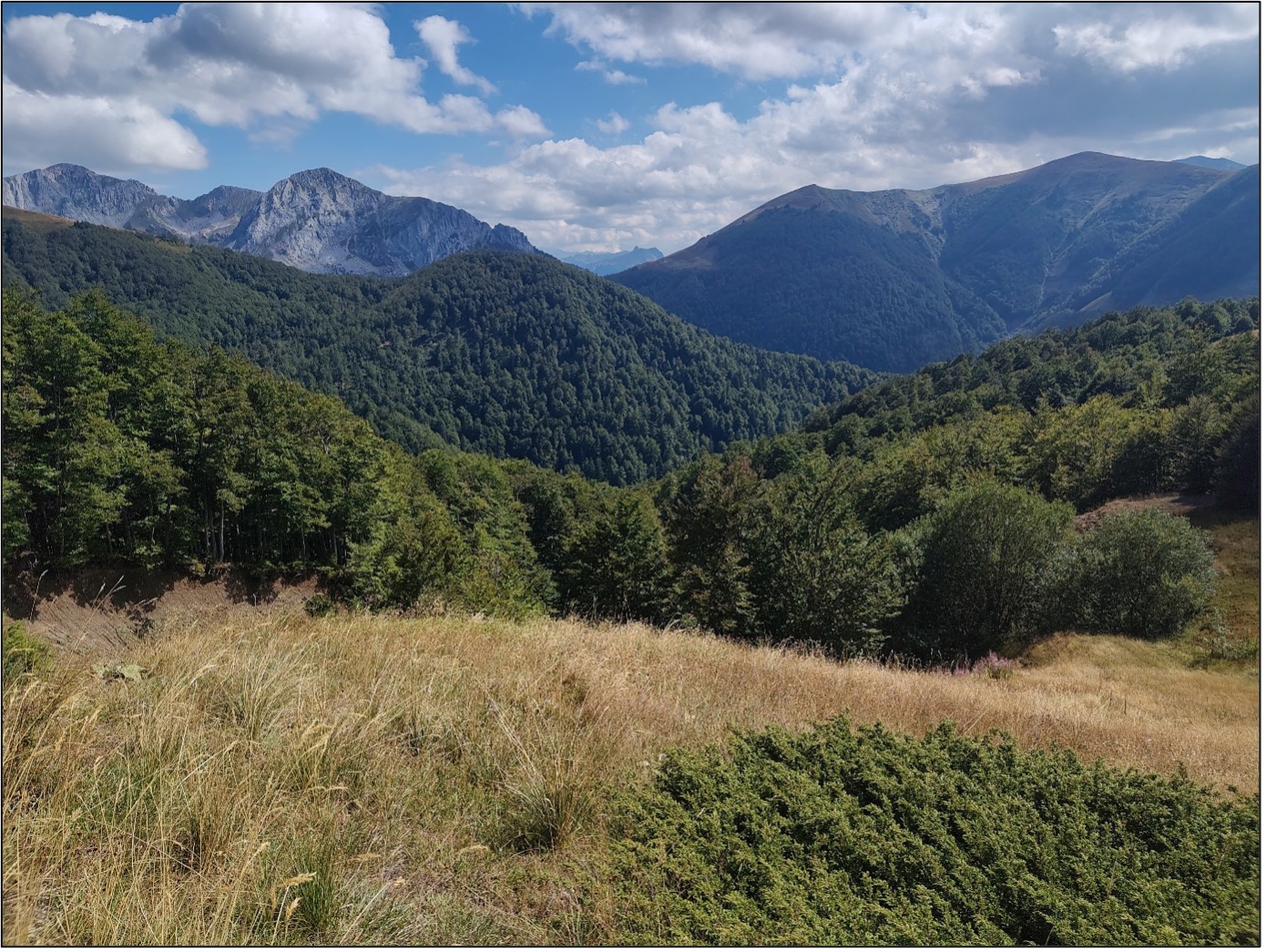
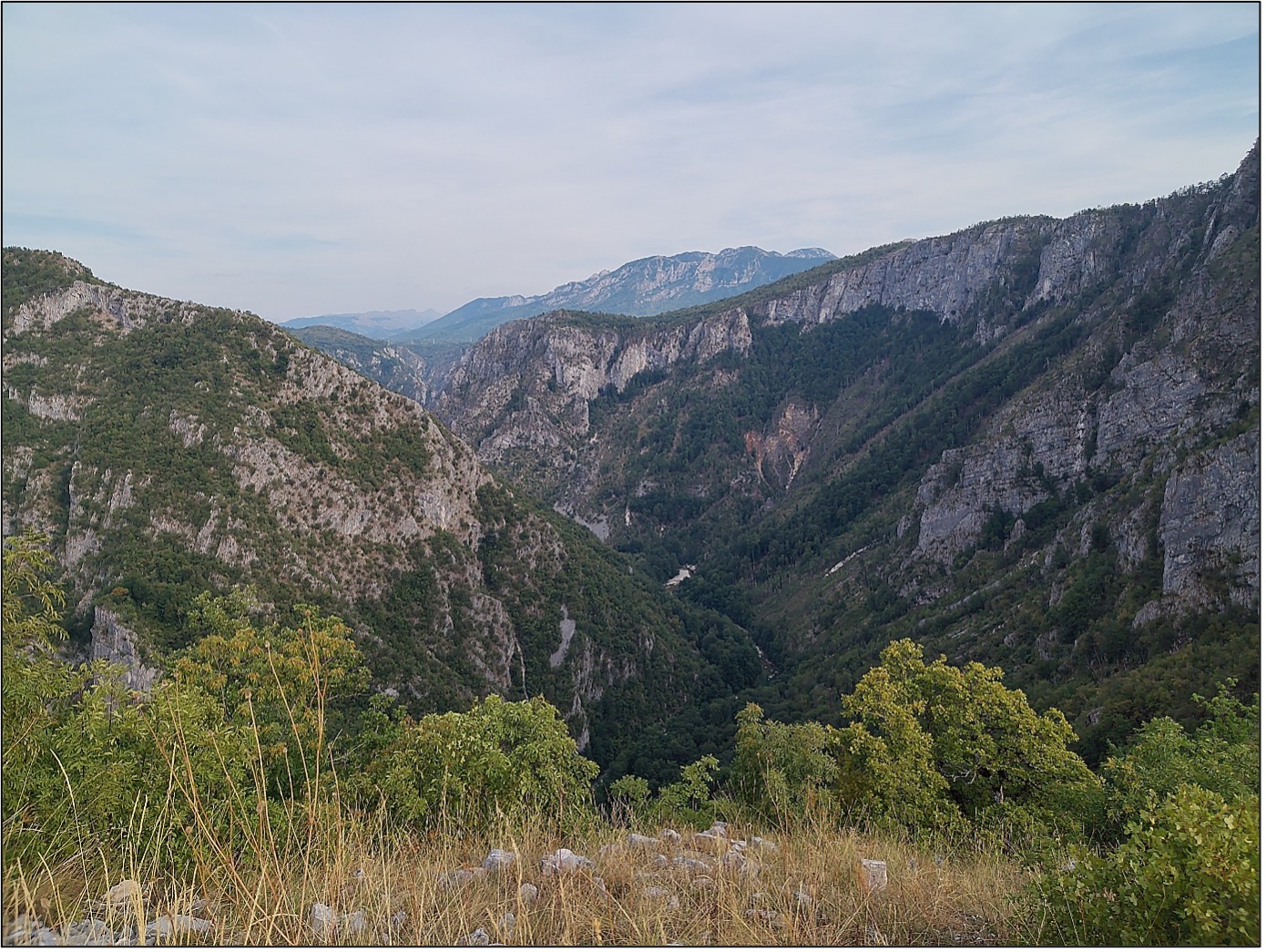
The Bushbandits® were ordered by Wildlife Montenegro for research on the distribution of the Balkan snow vole (Dinaromys bogdanovi) and the marbled polecat (Vormela peregusna), as part of a program to map the presence of Habitat Directive species in the country. Bushbandits® were designed for detecting small mammals in the Netherlands and have been proven to be effective for species such as the European polecat, stoat, common weasel and Eurasian water shrew. Currently, Bushbandits® are scarcely being used outside of the Netherlands. Specific research into the Balkan snow vole and the marbled polecat by using Bushbandits® hasn’t been done before, which makes it interesting to try this technique. Considering the mainly rocky and mountainous landscape of Montenegro, combined with at times extreme weather conditions, makes the Bushbandits® an interesting method to use. The Bushbandits® are compact and therefore easy to hide in places such as crevices and, if placed correctly, are very well protected against weather conditions such as extreme rain and snow. In total, 20 Bushbandits® have been used in the following municipalities: Cetinje (Štitari & Jezer villages), Kotor (Ledenice), Nikšić (Čevo, Zla gora mnt., Nozdra valley), Podgorica (Komovi mountains), Mojkovac (Sinjajevina mnt.), Andrijevica (Zeletin mnt.), Berane (Rujišta village), Plav ( Hridsko Jezero lake), Žabljak (Sedlo), Plužine (Brezna village), Danilovgrad (Prekornica mnt.). Most Bushbandits® were placed in crevices, deep into the karst for D. bogdanovi and on the border between thickets and grassland for V. peregusna, where dens of the species may be present. Bushbandits® were also placed in gardens and ruins. In total, Bushbandits® were placed in 14 locations. The research lasted for two months.
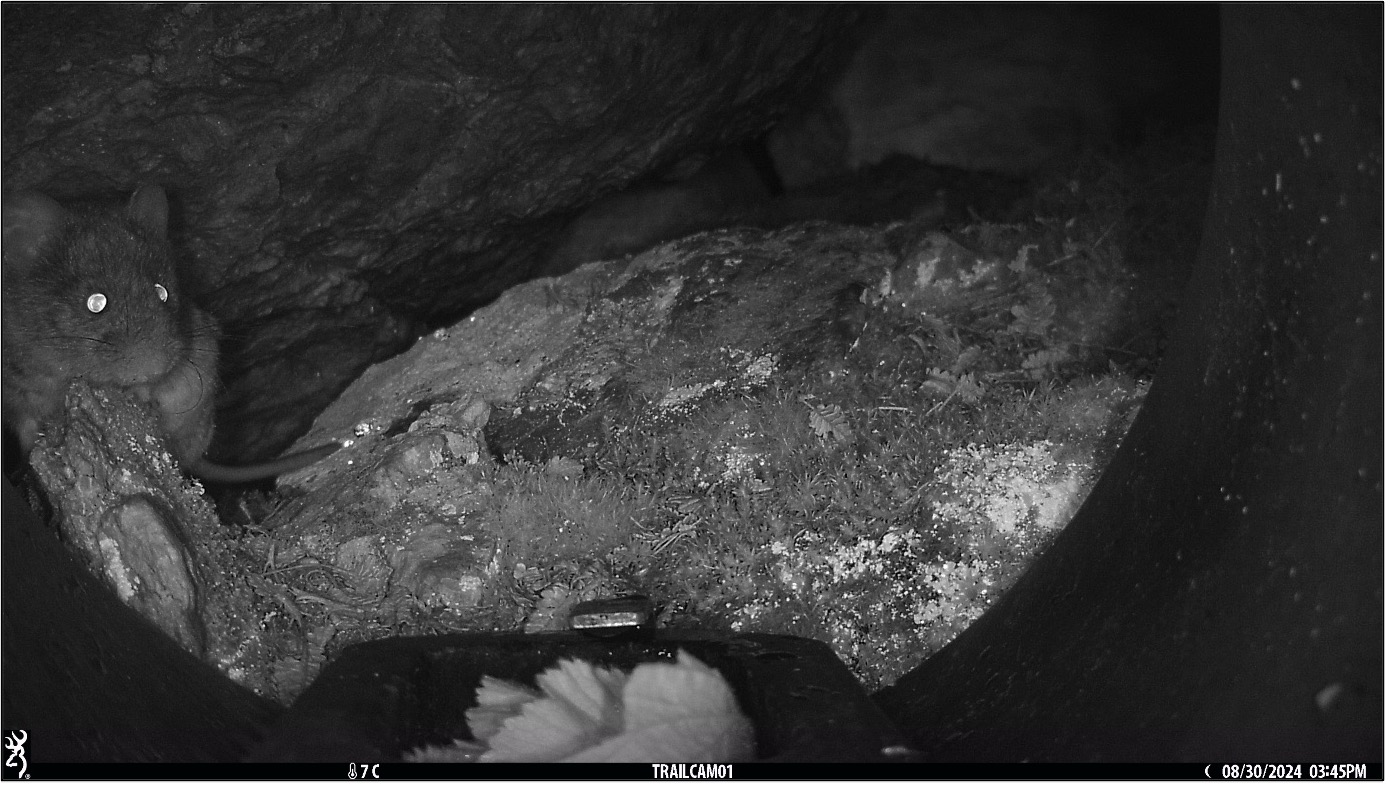
The collected data provided the locations of multiple colonies of the Balkan snow vole in six different locations. By placing the Bushbandits® correctly, these were fairly easy to register. Other recorded species were the European snow vole, bank vole (Myodes glareolus), edible dormouse, forest dormouse, hazel dormouse, European wildcat, common weasel, Apodemus spp. (broad-toothed field mouse/yellow-necked mouse), Crocidura spp. (lesser white-toothed shrew/bicoloured shrew), fox, badger. Several other rodent species were recorded but could not be determined. Unfortunately, the marbled polecat was not recorded.
The Bushbandits® proved to be effective in recording Balkan small mammal species. This motivates us to continue the research with Bushbandits® in other areas of Montenegro. Currently, we are examining the possibilities to continue the research in 2026.
We wish to thank the organisations that provided (financial) support: Zoogdierenwerkgroep Zuid-Holland, Wildlife Monitoring Solutions, Buro Smaal and Eco-Wezel. Without their support, this research would not have been possible.
Jeffrey Peereboom & Marina Radonjic
Project 'Mustelids in the Balkans'
Some of the research areas
Some of the animals captured by the Bush Bandits